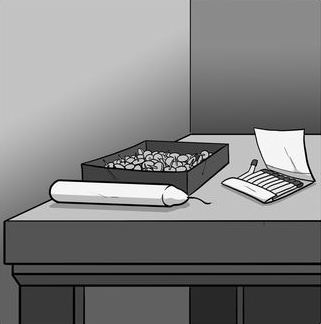
Dan Pink’s “Motivation” shows how extrinsic motivation does not always work for open solution problems. Pink discussed how The Candle Problem can not be motivated by a material reward. A loose, flexible work space also proved to result in better work and worker turnover declines. Intrinsic motivation, working for a greater cause, is more successful for motivating someone to complete a problem that could potentially have multiple solutions, it also helps creativity flow. When given a problem with only one clear solution extrinsic motivation such as money or some type of material reward is successful. However, for a creative, overall good work environment intrinsic motivation works better. Pink presents a case that can not be argued with along with a new way of thinking.
“Motivation” by Dan Pink effectively portrays how extrinsic motivation is not the only effective means of motivation. Results Only Work Environment is more drastic example of how intrinsic motivation receives better work results than extrinsic. Pink also presents the results of The Candle Problem, two groups of people were told to solve the candle problem. One group was told that if they were in the top 25% people to solve the problem they would receive five dollars and if they were the fastest 20 dollars. The results were surprising, the group that had the extrinsic motivation finished three and a half minutes slower than those with no rewards. If schools started demonstrating more intrinsic is could change how students worked and could unlock new creativity in students’ minds. If big projects or essays were motivated less with the hope of a good grade and more of having the students do it for the hope that it will benefit the rest of the world or the class the projects or essays could get results of a more creative project or expanding beyond the requirements. If this idea of intrinsic motivation being used in the workplace was implemented in all work placed the world would be flowing with new ideas, creativity and overall better production rates. This type of motivation has been very successful at big companies such as Google, “20% time -- done, famously, at Google -- where engineers can spend 20% of their time working on anything they want. They have autonomy over their time, their task, their team, their technique. Radical amounts of autonomy. And at Google, as many of you know, about half of the new products in a typical year are birthed during that 20% time: things like Gmail, Orkut, Google News” (Pink). Pink presented his Ted talk like a court case, “I want to make a case. I want to make a hard-headed, evidence-based, dare I say lawyerly case, for rethinking how we run our businesses” (Pink.) Presenting the information is this way ensured that it was factual and made it seems more believable because he was almost trying to persuade the audience. Pink did not directly interact with the audience but the way he gave the information keep you on your toes and made you want to dig deeper into the subject. As well as speaking in an upbeat tone he used hand gestures and moved around the stage to keep the audience captivated. 
Dan Pink’s talk was interesting and could applied to my own life if I based my talk on fact but still kept it intriguing and genuine the audience would be attentive and interested in the subject. Dan Pink’s “Motivation” conveys how any work space should be motivated by the greater good instead of a material reward. 
Larissa- good start to your summary and response. Good work with adding more extensions to your response- keep pushing. Also, make sure to change the font color as this is really hard to read. Keep analyzing speaking style and its application to your own TED talk.
ReplyDelete34